Articles

K-Pop and K-Dramas have created an explosion in interest for learning Korean, but retention rates remain low Many K-Culture fans enroll in programs but struggle with the difficulty of Korean grammar and drop out early Private language schools are adapting by incorporating K-Pop and entertainment themes, while traditional universities lag behind The rise of K-Pop, K-Dramas, and Korean entertainment has created an unprecedented global demand for Korean language education.
Read More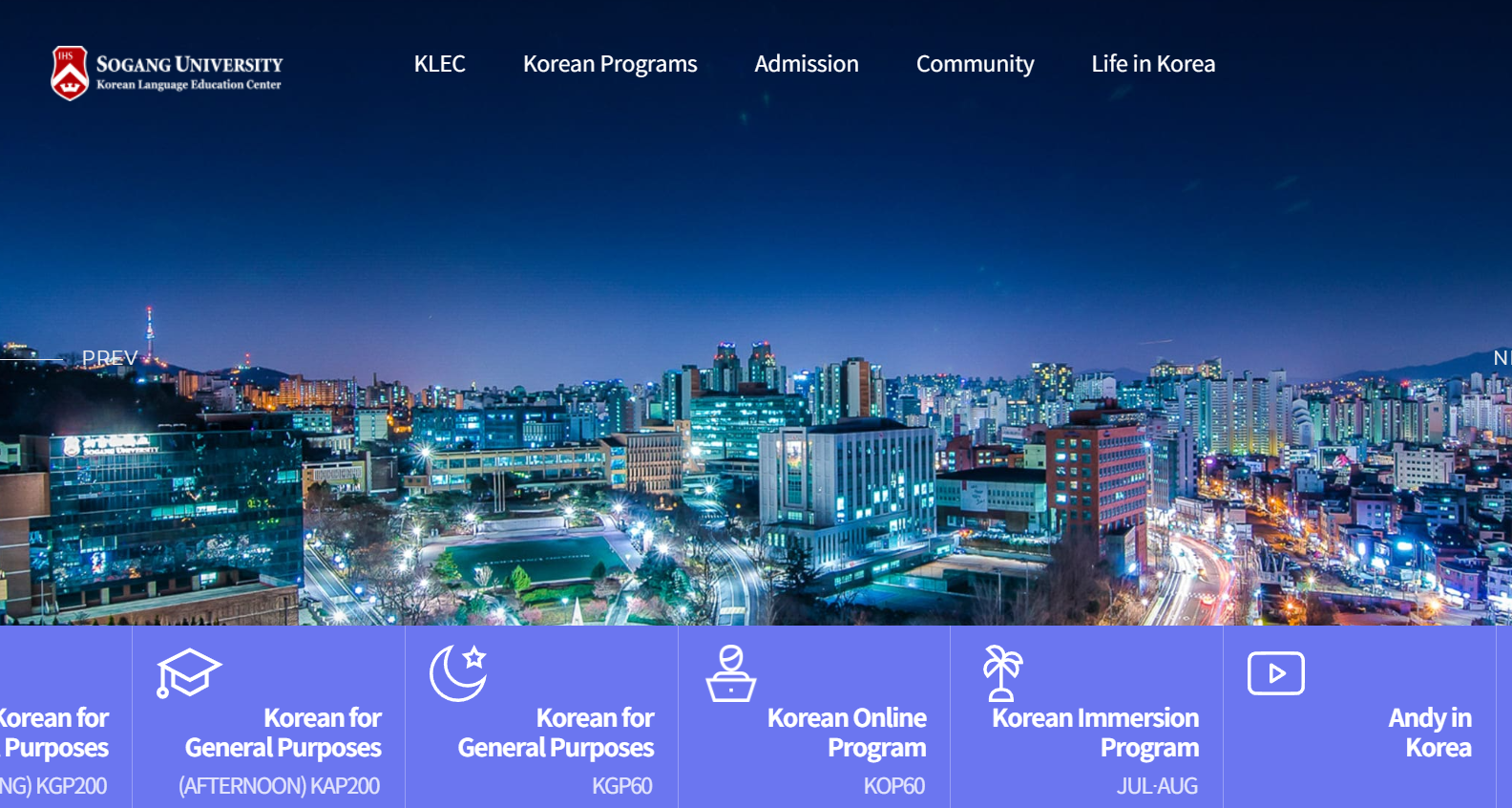
Prestige does not always guarantee the best language education—teaching methods and student experience matter more Sogang University dominates due to its conversation-based approach, while SNU’s rigid academic style is less appealing to casual learners Private language schools provide flexibility that universities lack, attracting short-term learners and professionals The global interest in learning Korean has surged in recent years, driven by factors like K-Pop, K-Dramas, and Korea’s expanding cultural influence.
Read More
Universities Are Decreasing Their Engagement with X The Emergence of Alternative Platforms Future Strategies for Universities on Social Media Universities Are Decreasing Their Engagemen
Read More
From Knowledge to Action: Why Universities Must Foster Entrepreneurship Building an Entrepreneurial Ecosystem: Resources, Collaboration, and Hands-On Learning The Future of Higher Education: Preparing Visionary Leaders for a Changing World
Read More
AI-Powered Productivity: Transforming Scheduling and Task Management Automation and Efficiency: The Role of AI in Business Operations Data-Driven Decisions: AI’s Impact on Analytics and Business Intelligence Source:
Read More






How Lifelong Learning is Facilitated by Online Education Benefits of Online Education and The Function of Universities and Employers in the Promotion of Lifelong Learning Source:
Read More
Challenges in the Realization of Meaningful Diversity The Future: Strategies for Establishing Inclusive Universities Achieving a Balance Between Resistance and Progress Source:
Read More
Choosing the Right Legal Path: JD vs.
Read More
The Complex Role of Government Funding in Higher Education Challenges to Autonomy and Accountability Amid Public Funding Strategic Vision and Leadership and Future Directions for Balancing Innovation and Independence
Read More
The LL.M. Program and Navigating the U.S. Bar Admission Process as a Foreign Lawyer Bar Exam Preparation for LL.M. Students The Future of Foreign-Trained Lawyers in the U.S.
Read More
The Global Expansion of Universities Through IBCs The Emergence of International Branch Campuses Challenges Facing IBCs and Strategies for Sustainable Growth Source:
Read More
Reducing the Burden of Essay Grading Concerns and Challenges of AI in Grading Future Prospects of AI in Grading Source:https://openexo.com/insight/unlock-the-power-of-education-with
Read More
Universities, particularly private and for-profit institutions, spend millions on advertising to attract students, justifying it through tuition revenue and increased competition While elite institutions rely on reputation, mid-tier and online schools depend on aggressive marketing to stay competitive The sustainability of high marketing expenditures is debated, as some institutions struggle to balance costs with enrollment revenue Higher education institutions in the Unit
Read More
STEM (Science, Technology, Engineering, and Mathematics) master’s programs are among the most expensive graduate degrees, often rivaling or surpassing MBA programs in tuition costs. With some programs exceeding $60,000 in total fees, many students wonder why these degrees come with such a high price tag. While it may seem excessive at first glance, the reality is that STEM education requires substantial investment in faculty, research infrastructure, and industry collaborations.
Read More
Harness the power of AI to elevate your LL.M. personal statement! Tools like ChatGPT enhance language, generate ideas, and refine grammar, but they should never replace your unique voice and personal experiences. Relying solely on AI creates a generic, impersonal statement that fails to showcase what makes you stand out. Thus, prospective LL.M. students should exercise caution while using ChatGPT and other AI technologies to create their personal statements.
Read More

The political environment is still being shaped by President Donald Trump's administration, his education policies have raised serious questions about the future of academic freedom in the US. With the passage of several executive orders and directives, the academic community is considering the possible effects in the education system, that some see as a direct danger to academic independence.
Read More
Location can outweigh rankings when it comes to job opportunities Being in a major legal city means easier access to internships, networking, and hiring firms Law firms prefer local talent, making it harder for out-of-state graduates to compete Bar passage rates and state-specific legal systems often favor in-state graduates Attending law school in a legal hub offers long-term career advantages beyond the first job Imagine two law students, Jake and Sarah. Both were accepted into law schools of similar ranking.
Read More
Law school rankings matter, but location can often be more important for job prospects Major legal markets (New York, D.C., Chicago, L.A.) offer better internship, networking, and job placement opportunities Many law firms hire from their local talent pool, favoring schools in the same city over equally ranked schools elsewhere A law graduate from a mid-ranked school in a big city often has better job prospects than a higher-ranked graduate from a small town Many students obsess over law school rankings, believing that attending a higher-ranked institu
Read More
Ranking Criteria – Law school rankings prioritize job placement, reputation, selectivity, faculty resources, and student debt, with a strong focus on BigLaw and clerkships. T14 Advantage – T14 schools rank higher due to elite job placements, strong reputation, and selective admissions, making their degrees highly valuable nationwide. Limitations – Rankings favor prestige and BigLaw jobs, often overlooking regional strengths, affordability, and alternative legal careers.
Read More
The history of financial crimes likely stretches back millenniums starting with humanity’s use of monetary means. As civilizations modernized with laws to prohibit such crimes and to protect citizens, the fight against white-collar crimes has begun.
Read More